
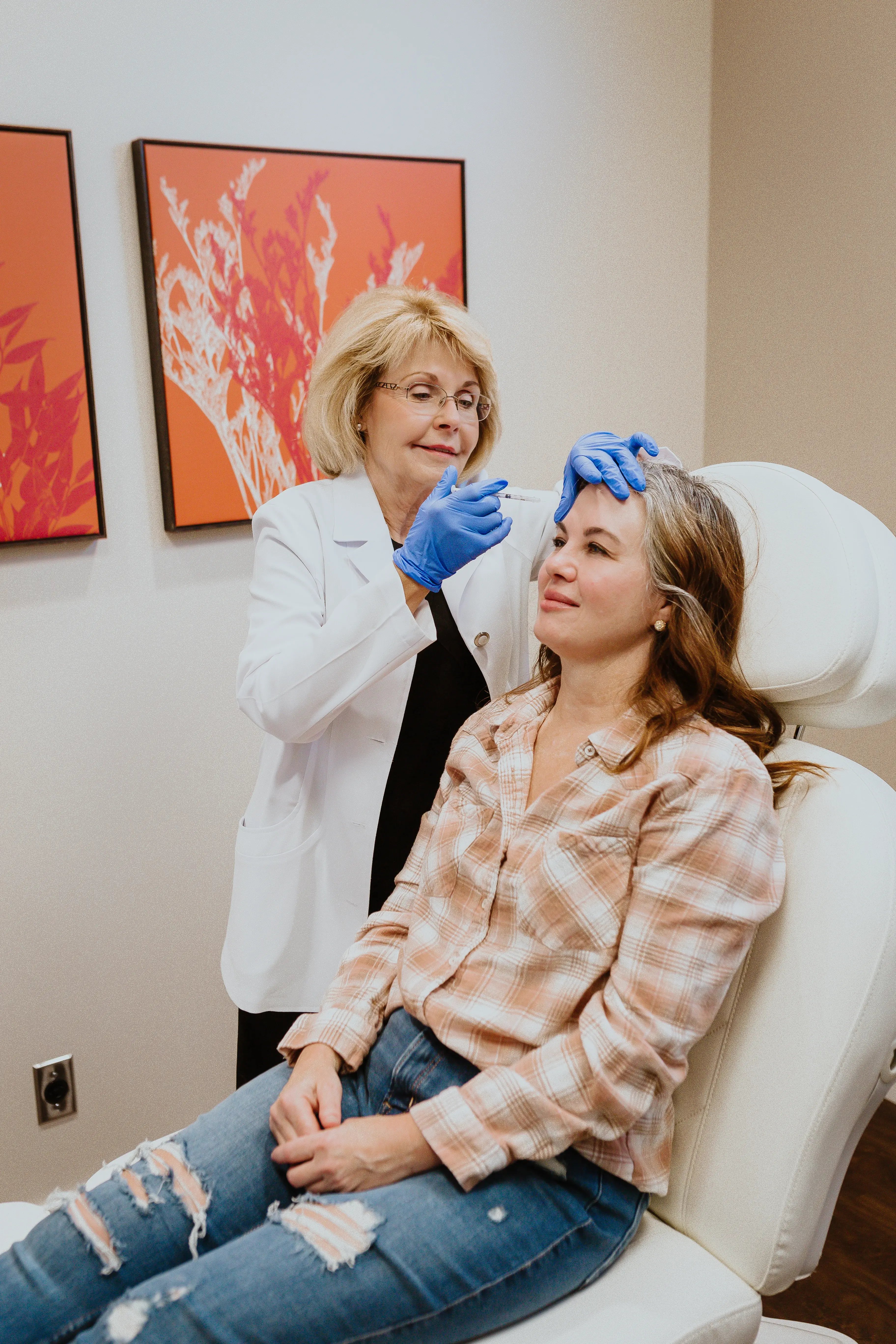
Injectable treatments are a popular way to restore volume and refresh your appearance without surgery. The choice between Sculptra and dermal filler isn’t about which is better; it’s about which fits your goals, timeline, and expectations.
Both options offer natural-looking results with minimal downtime, but they work differently. Sculptra gradually builds collagen for long-term improvement, while fillers provide immediate volume and contour.
Understanding this difference is essential, especially when evaluating Sculptra vs filler costs; not just per session, but over time, considering longevity and maintenance.
Key Takeaways
- Sculptra vs. Dermal Fillers: Sculptra stimulates collagen gradually for subtle, long-term volume, while dermal fillers provide instant volume using hyaluronic acid or similar substances
- Longevity & Results: Sculptra can last 2 years or more, whereas dermal fillers typically last 6–12 months (sometimes up to 18 months)
- Ideal Candidates: Sculptra suits full-face, gradual rejuvenation, while dermal fillers are best for immediate, targeted correction in areas like lips, cheeks, and smile lines
- Combining Treatments: Many people benefit from using both Sculptra for overall structure and fillers for precise enhancements.
- Expert Guidance Matters: At Bella Sante MD, every treatment plan is medically guided and fully personalized, ensuring results look natural, balanced, and aligned with your long-term goals
The Motive of Either Treatment: Addressing Facial Volume Loss
Facial aging is not just about wrinkles; it’s largely about volume loss.
As collagen production slows over time, the skin becomes thinner and less supported. Fat pads shift, and areas that once looked full and lifted may begin to appear hollow or sagging. This change can affect multiple areas of the face:
- Cheeks may appear flatter
- Under-eyes can look hollow or tired
- Jawlines may lose definition
- Smile lines may become more prominent
These changes are completely natural, but they can alter how your features look and how your skin reflects light.
Treatments like Sculptra and dermal fillers are designed to address these concerns without surgery. Instead of masking signs of aging, they work to restore structure, improve contour, and restore balance to your features.
Defining Sculptra and Dermal Fillers
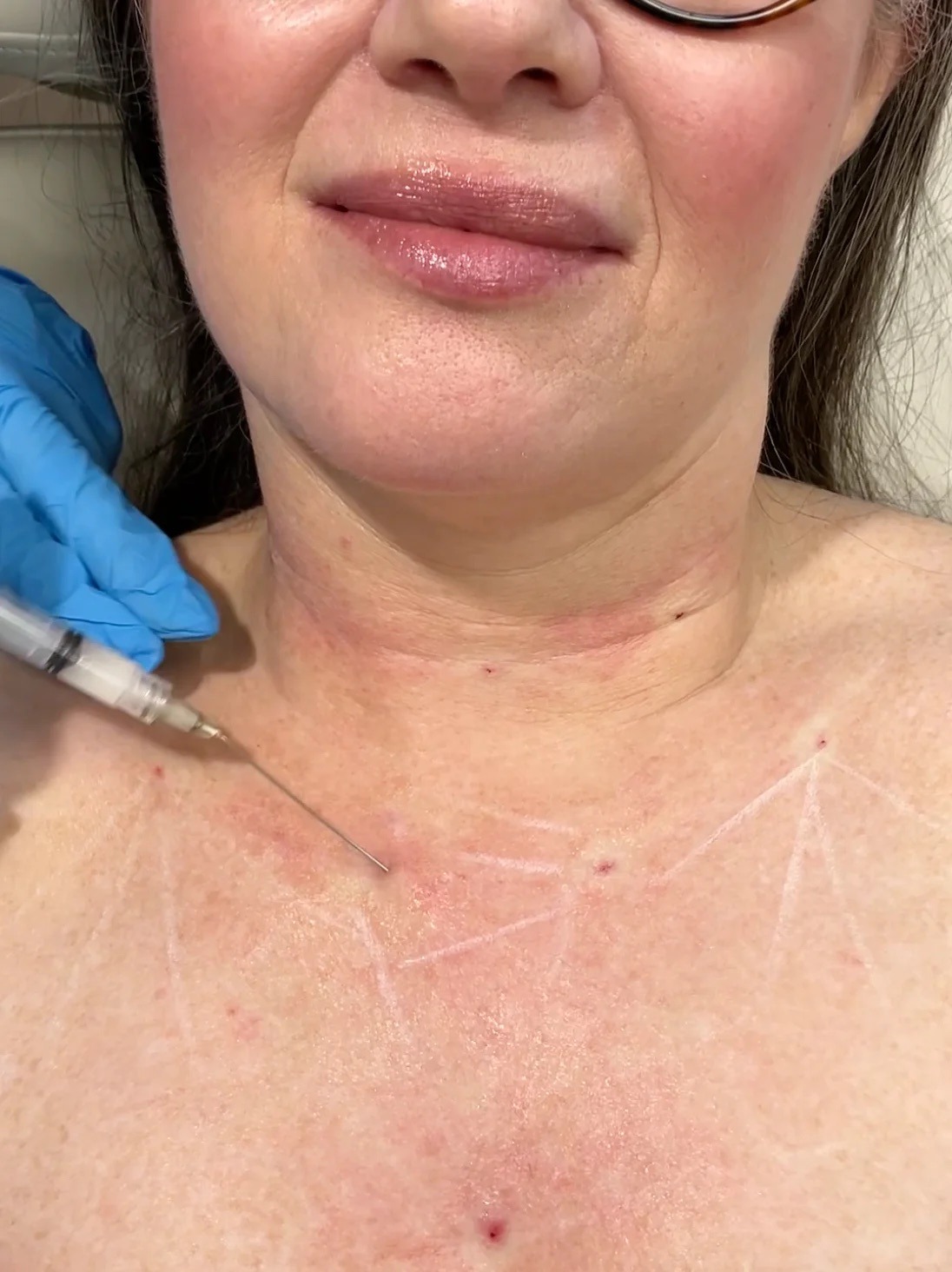
Before weighing up which treatment is right for you, it helps to understand exactly what each one is and how it addresses facial volume loss.
What Is Sculptra?
Sculptra is a collagen-stimulating injectable made from poly-L-lactic acid (PLLA), a biocompatible, synthetic material that has been used safely in medical settings for decades. It activates fibroblasts, the cells responsible for producing collagen, deep within the tissue. Over the following weeks and months, your body generates new collagen in the treated area, gradually improving structure, firmness, and fullness from within.
Treatment Areas:
- Cheeks and mid-face
- Temples
- Jawline and lower face
- Deep nasolabial folds and marionette lines
- Buttocks (for non-surgical volume enhancement)
Key Benefits:
- Results develop gradually, making changes look natural and undetectable
- Improves overall skin quality, firmness, and structure; not just surface appearance
- Longer-lasting outcomes compared to most traditional fillers
- Suitable for widespread volume loss rather than isolated corrections
What Are Dermal Fillers?
Dermal fillers are gel-like injectables placed beneath the skin to restore volume, smooth lines, and enhance contours immediately. Most are formulated with hyaluronic acid (HA), a substance naturally found in the body that attracts and retains moisture.
Fillers are placed with precision using fine needles or cannulas, with each syringe carefully distributed to achieve smooth, balanced results in the target area. When injected, HA molecules bind to water and create immediate plumping and reshaping effects, meaning results are visible as soon as you leave the treatment room.
Treatment Areas:
- Lips
- Cheeks
- Under-eyes (tear troughs)
- Nasolabial folds
- Jawline and chin
- Temples
- Hands
Key Benefits:
- Results are visible immediately after treatment
- Highly targeted; precise corrections can be made to specific features
- Hyaluronic acid-based fillers can be dissolved if an adjustment is needed
- Versatile across a wide range of facial areas and concerns
The Main Sculptra vs Filler Differences
Understanding the Sculptra vs dermal filler differences goes beyond just how each product is made. The two treatments differ in how they work, when results appear, how long they last, and what they cost over time.
Treatment Mechanism
|
Collagen Stimulator (Sculptra) |
Dermal Filler |
|
|
How it works |
Triggers the body to build new collagen |
Directly adds volume beneath the skin |
|
Active ingredient |
Poly-L-lactic acid (PLLA) |
Typically, hyaluronic acid (HA) |
|
Approach |
Rebuilds structure from within |
Instantly fills and contours |
|
Effect |
Gradual, structural improvement |
Immediate volume and shaping |
Results Timeline
Sculptra requires patience. Most people begin to notice subtle improvements around 6 to 8 weeks after their first session, with more visible results developing over 3 to 6 months. Because the changes emerge gradually, the outcome tends to look completely natural.
Dermal fillers work right away. You'll see a visible difference immediately after treatment, with the full effect settling in over a few days once any minor swelling subsides. This makes fillers a strong option when you have a specific event coming up or simply want to see results without waiting.
Longevity
- Sculptra: Results can last two years or more, because the improvement comes from your body's own collagen, not a substance being metabolized away.
- Dermal fillers: Longevity varies by product and treatment area, but most last between 6 and eighteen months before a touch-up is needed.
Cost Over Time
Sculptra typically requires a series of 2 to four sessions spaced several weeks apart, which means a higher upfront investment. However, because results last significantly longer, the cost spread over time can be comparable to, or less than, the cumulative cost of regular filler maintenance.
Dermal fillers are generally lower per session, but most people return for touch-ups once or twice a year. Over two years, the total spend can exceed that of a collagen stimulator treatment series.
The right value calculation depends on your goals, how many areas you want to treat, and how frequently you're prepared to maintain results.
What to Expect: The Treatment Process and Aftercare

Understanding how each treatment is performed and what happens afterward can help you feel more prepared and confident in your decision.
Sculptra Process and Aftercare
Sculptra treatments are structured around gradual improvement, beginning with a detailed consultation and treatment mapping to ensure balanced, natural results over time. Injections are placed strategically into deeper layers of the skin across multiple sessions, allowing collagen production to build progressively rather than creating instant volume.
- Treatment is typically done in a series spaced several weeks apart
- Sessions are designed to be comfortable and efficient
- Results develop gradually over a few months
After treatment, mild swelling or tenderness may occur but usually resolves quickly, allowing you to return to normal activities with minimal interruption. Aftercare focuses on supporting collagen development and maintaining even results.
- Gentle massage may be recommended to distribute product evenly
- Hydration helps support skin quality and recovery
- Avoiding excessive heat for a short period can reduce irritation
Dermal Filler Process and Aftercare
Dermal filler treatments are more immediate in both process and outcome, starting with a consultation to assess facial structure and identify areas for targeted enhancement. The procedure involves precise injections using small amounts of filler to sculpt and restore volume, with visible results appearing right away.
- Treatment is typically completed in a single session
- Results are noticeable immediately after injection
- Adjustments can be made for refined, balanced outcomes
Following treatment, mild swelling or redness may occur but usually settles within a few days, revealing smoother, more defined contours. Aftercare is simple and focused on preserving results while minimizing side effects.
- Avoid touching or applying pressure to treated areas
- Limit heat exposure and intense activity for 24–48 hours
- Stay hydrated to maintain optimal skin appearance
Who Is Each Treatment Best For?
There's no single right answer here. Both treatments address volume loss, but they suit different people, goals, and timelines.
Sculptra may be a better fit if you:
- Have widespread facial volume loss, particularly in the cheeks, temples, or mid-face
- Prefer gradual, subtle changes that look like natural improvement over time
- Are comfortable with a multi-session treatment plan
- Want longer-lasting results and are willing to invest upfront
- Don't want an immediate transformation, you'd rather no one notices, except that you look well-rested
A dermal filler may be a better fit if you:
- Want to address a specific area, such as the lips, under-eyes, cheeks, or jawline
- Are looking for visible results right away
- Prefer a treatment that can be adjusted or, in the case of hyaluronic acid fillers, dissolved if needed
- Want targeted correction rather than overall rejuvenation
- Are newer to injectables and want to start with something immediate and adjustable
Can You Combine Both Treatments?
Yes, and for many people, this is where the most satisfying results come from.
Collagen stimulators and dermal fillers address different aspects of facial aging, so they complement each other rather than compete. A combined approach might look like this:
- Sculptra for Structure: Rebuilds overall facial volume, improves skin firmness, and restores the underlying framework that supports the face.
- Filler for Refinement: Addresses specific areas such as the lips, under-eyes, or nasolabial folds with targeted precision once the broader structure has been improved.
This layered strategy allows for both long-term improvement and immediate enhancement, without either treatment being asked to do more than it's designed for. It's also a more sustainable approach over time: as the collagen stimulator maintains overall structure, smaller amounts of filler are needed for touch-ups.
How Bella Sante MD Guides You Through Every Step

Choosing between treatments can feel overwhelming, which is why guidance matters.
At our medical spa in Saskatoon, every treatment begins with a personalized consultation. We offer both Sculptra and dermal filler treatments, allowing us to tailor your plan based on your goals and desired results. The focus is not just on what you want to change, but on how to achieve it in a way that looks natural and balanced.
What sets the approach apart:
- Personalized planning: Every treatment is tailored to your anatomy and goals
- Medical oversight: Treatments are guided by experienced professionals
- Conservative approach: The focus is on enhancing, not overcorrecting
- Advanced techniques: Precision ensures smooth, even results
You are guided through every step, from consultation to aftercare, with clarity and confidence. The goal is not just improvement, but a result that feels like you.
Conclusion: So, Which Option Is Right for You?
If you want gradual, structural improvement that looks like your skin at its best, a collagen-stimulating injectable is likely the stronger fit. If you want immediate volume and precise contouring in a specific area, dermal fillers offer exactly that. And if you want both, combining the two treatments under a well-planned approach can deliver results that are more balanced and longer-lasting than either option alone.
The choice between hyaluronic acid filler vs Sculptra ultimately comes down to your goals, your timeline, and how you want your results to unfold. Neither is universally better; they're different tools designed for different outcomes, and the right one for you depends on a conversation with someone who knows both well.
That's exactly what a consultation at Bella Sante MD is for.
FAQs About Dermal Filler vs Sculptra
Which option lasts longer?
Sculptra typically lasts longer, with results often extending beyond two years, while dermal fillers usually last between 6 and 18 months, depending on the area treated.
Which areas can each treatment treat best?
Sculptra is best for broader areas like the cheeks and temples, while dermal fillers are ideal for targeted areas such as the lips, under-eye area, and jawline.
Are the results reversible if I change my mind?
Dermal fillers can be adjusted or reversed, while Sculptra cannot be reversed once injected because it works by stimulating your body’s collagen production.
Which option is more cost-effective over time?
Sculptra may be more cost-effective in the long term due to its long-lasting fillers, whereas other fillers may require more frequent maintenance sessions.
FAQs About Bella Sante MD
What treatments are offered at Bella Sante MD?
We offer a range of non-surgical treatments, including injectables, skin rejuvenation, and advanced laser-based procedures designed to improve skin quality and appearance.
What happens during a consultation?
During your consultation, your treatment specialist will assess your facial structure, discuss your goals, and create a personalized treatment plan tailored to your needs.
What kind of aftercare support is provided?
You will receive detailed aftercare instructions and ongoing support to ensure your results remain consistent and natural-looking.
What makes this clinic different?
We focus on medically guided, personalized treatments that prioritize natural results, safety, and long-term skin health.
0 comments