Aging is rarely sudden; it appears gradually through changes in skin firmness, texture, and definition that become more noticeable over time. As collagen production slows, many people begin looking for non-surgical options that can support the skin without interrupting daily life or altering natural features. Modern skin-tightening treatments now make it possible to achieve subtle, progressive improvement with little to no downtime. This is where the comparison of Thermage vs Ultherapy often comes into focus, as each treatment addresses skin aging differently.
In this blog, we’ll explore the key differences, benefits, and treatment expectations of Thermage and Ultherapy in Saskatoon, helping you make a confident, medically guided decision.
Thermage vs Ultherapy: Defining Each Treatment
Thermage and Ultherapy are non-surgical treatments that stimulate collagen to create firmer, smoother skin without altering facial expression.
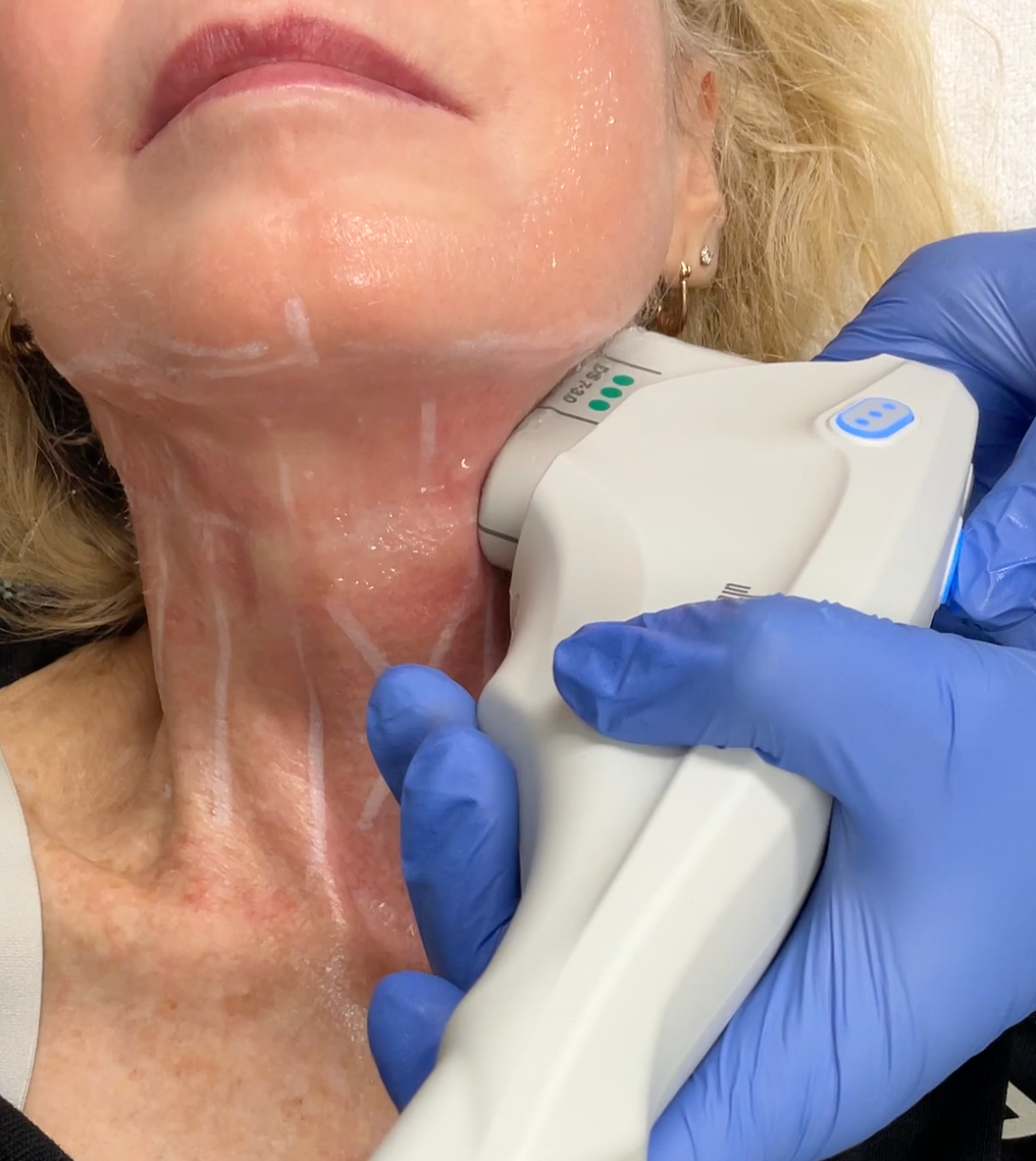
- Thermage: Uses radiofrequency energy to heat the skin’s deeper layers, improving surface texture and treating early signs of laxity on the face or body.
- Ultherapy: Uses focused ultrasound to target deeper structural layers, making it more effective for lifting areas like the jawline, brows, and neck.
How Does Thermage and Ultherapy Work?
Thermage works by delivering controlled radiofrequency energy into the dermis, the layer where collagen is most abundant. As the skin heats up, collagen fibers contract, producing an initial tightening effect. The heat also stimulates the body’s natural healing response, leading to the formation of new collagen over time. The skin’s surface is protected by a built-in cooling system, allowing for a safe and comfortable treatment experience with gradual, long-term improvement.
Ultherapy uses micro-focused ultrasound energy to reach precise depths below the skin’s surface, including the SMAS (superficial musculoaponeurotic system) layer. This energy bypasses the outer skin entirely, delivering targeted thermal stimulation where collagen and elastin production are needed most. As a result, the skin lifts and firms naturally over several months, with improvements in facial contours and overall skin tone.
What Are the Main Differences?
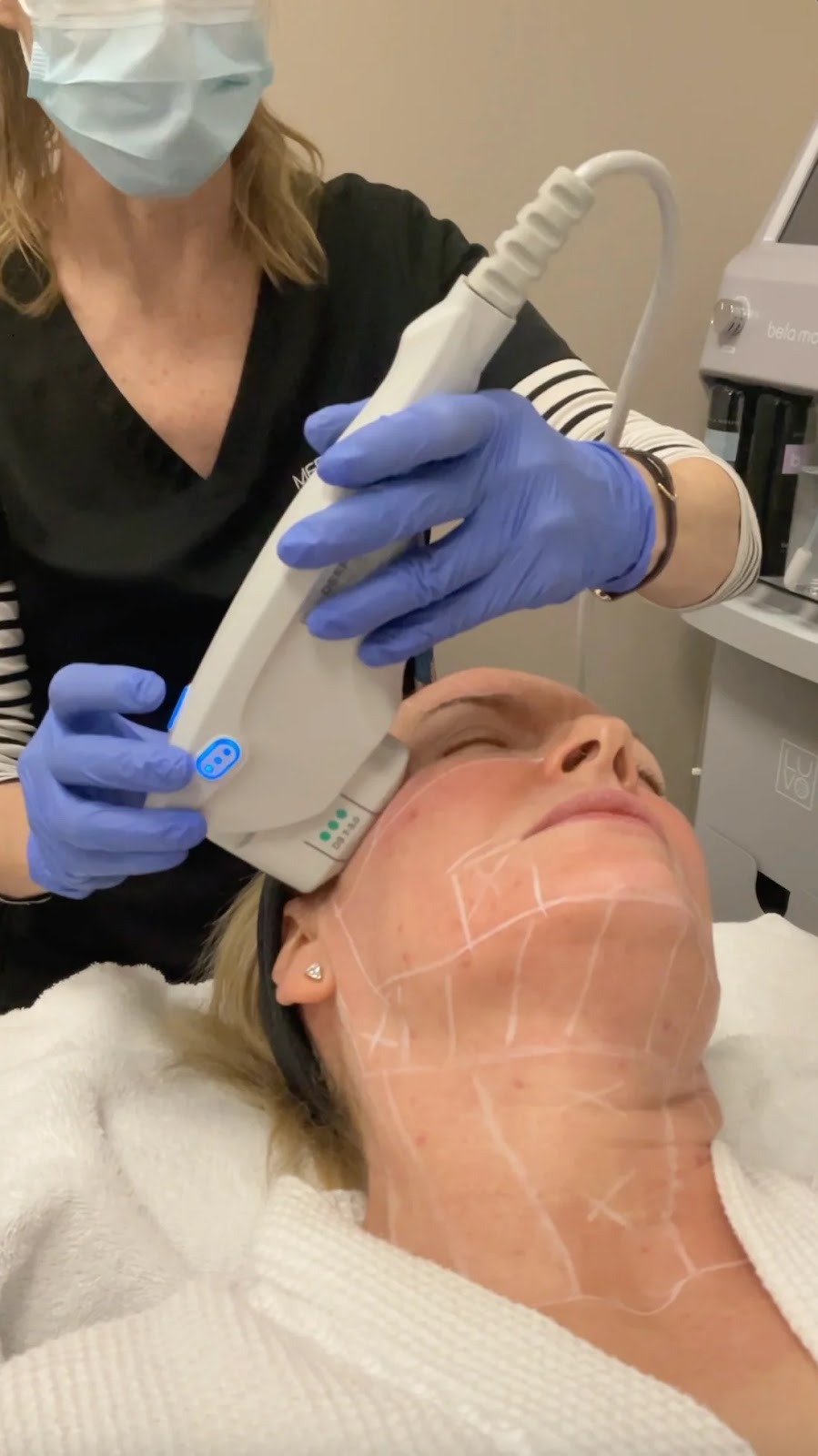
While both Thermage and Ultherapy aim to firm and rejuvenate the skin without surgery, they achieve these results using different technologies, depths, and clinical approaches. Here’s how both treatments differ:
Energy Type
Thermage uses radiofrequency (RF) energy to heat the dermis, stimulating collagen production in a broad and even pattern across the treatment area. This RF energy creates a gradual tightening effect and supports long-term improvement in skin smoothness and texture.
Ultherapy, by contrast, relies on micro-focused ultrasound technology. This energy reaches much deeper into the skin, targeting structural tissues like the SMAS layer to stimulate collagen production where sagging begins.
Treatment Areas
Thermage is effective across both facial and body zones, especially where crepey or loose skin is present. It addresses more surface-level laxity and is often chosen by patients seeking an overall smoother appearance with less focus on structural lift.
Thermage can be used to treat:
- Full face
- Jawline and jowls
- Upper and lower eyelids
- Neck
- Abdomen (including post-pregnancy skin laxity)
- Arms
- Thighs
- Knees
Ultherapy is most effective on facial and upper-body areas that require deeper support. Because it targets the deeper layers, it is preferred for concerns such as sagging brows, soft jawlines, and loose skin.
Ultherapy can be used to treat:
- Brow line
- Cheeks and jawline
- Under the chin
- Neck
- Décolletage
- Upper chest
Longevity of Results
Thermage results appear gradually and often continue developing over 6-12 months. Many patients see benefits that last for up to a few years, depending on age, collagen quality, and skin care habits.
Ultherapy typically shows visible improvements within 2-3 months, with full results maturing by month six. These results usually last at least 12-18 months, sometimes longer, with consistent skin maintenance and healthy lifestyle habits.
Maintenance Frequency
Thermage is generally repeated every 2-3 years, depending on how the skin continues to age. Some clients may opt for more frequent sessions to proactively maintain collagen levels and skin firmness.
Ultherapy often requires maintenance every 12-24 months. The timing depends on the degree of laxity, treatment area, and how quickly the individual’s skin breaks down collagen over time. Regular follow-ups help extend the lifting effects.
Costs
The cost of Thermage vs Ultherapy depends on the size of the treatment area, the session length, and the level of personalization. Thermage often has a higher upfront cost but may require fewer treatments over time. Ultherapy can be more cost-effective for small, targeted areas, but multi-zone sessions can add up. A consultation can help determine which option offers the best long-term value for your skin goals.
Thermage vs Ultherapy: Before and After Treatment Expectations
Thermage before-and-after results tend to show gradual refinement rather than dramatic change. Changes appear subtle and natural, aligning well with those who want enhancement without visible intervention. Typical expectations include:
- Gradual Firming: Skin becomes tighter over several months rather than immediately.
- Texture Improvement: Crepey or thin skin appears smoother and more supported.
- Natural Appearance: Facial expressions remain unchanged while firmness improves.
Because results develop slowly, Thermage suits patients who value understated, long-term improvement. Many report continued enhancement for up to a year following treatment.
In contrast, Ultherapy before-and-after results often show clearer lifting and definition, especially in the jawline, brows, and neck. Improvement becomes noticeable within a few months as collagen rebuilds deep beneath the skin. Patients can expect:
- Progressive Lift: Sagging areas gradually appear more defined.
- Structural Support: Deeper tissues regain firmness and strength.
- Refined Contours: Facial lines and angles look more youthful without stiffness.
Ultherapy results feel noticeable yet natural, making it appealing for patients seeking a visible lift without surgery. Continued improvement can occur for up to six months after treatment.
RELATED: What to Expect Before and After Ultherapy Treatment
Ultherapy vs Thermage: Which is Better for You?
Ultherapy and Thermage are both effective non-surgical skin tightening treatments, but they work differently and suit different goals.
Thermage is better for early signs of laxity and crepey skin, especially when targeting texture and overall firmness across the face or body. It gradually improves dermal collagen structure without affecting daily routines.
Ultherapy, on the other hand, targets deeper layers and is more effective for lifting sagging areas like the brows, jawline, and neck. It’s often the preferred option when structural support and facial contouring are priorities.
The right choice depends on your skin’s condition, desired outcome, and comfort preferences, best determined during a medical consultation.
Get Patient-Focused Thermage and Ultherapy at Bella Sante MD
At Bella Sante MD Cosmetic and Laser Clinic, we approach every skin-tightening treatment with medical expertise, personalized care, and a strong emphasis on natural-looking results. Whether you’re considering Ultherapy or Thermage in Saskatoon, our team customizes each plan based on your unique skin condition, comfort preferences, and long-term goals. We also provide medically guided care with optional comfort measures, including mild sedation when appropriate.
At our medical spa in Saskatoon, we’re known for treating delicate areas with confidence and precision, offering clients subtle enhancements that feel supportive rather than overdone. You’ll receive expert advice, modern technology, and a thoughtful treatment experience from consultation to follow-up.
Final Words on Choosing Between Thermage and Ultherapy
Both Thermage and Ultherapy offer excellent non-surgical solutions for firmer, more youthful-looking skin, but they work differently and suit different needs. Thermage focuses on surface tightening and smoothing with long-term collagen support, while Ultherapy targets deeper structural layers for visible lifting and contour definition. Your ideal treatment depends on your skin’s condition, aging concerns, and how you want your results to unfold.
At Bella Sante MD, we’re here to help you choose the option that aligns best with your goals and lifestyle. If you’re ready to take the next step toward healthier, firmer skin, we invite you to book a personalized consultation with our team today.
FAQs About Thermage Treatment vs Ultherapy Treatment
Which is safer, Thermage or Ultherapy?
Both treatments are considered safe when performed by trained medical professionals and are widely used for non-surgical skin tightening.
Are treatment results for Thermage and Ultherapy permanent?
Results are long-lasting but not permanent, as natural aging continues and maintenance treatments may be needed over time.
Can these treatments be combined with other procedures?
Yes, they can be combined with other non-surgical treatments when appropriate to enhance overall rejuvenation.
FAQs About Bella Sante MD
How do you help patients choose between these two treatments?
We assess skin structure, concerns, and goals during consultation to recommend the most suitable treatment plan.
What should I expect during my first visit?
Your first visit includes a detailed skin assessment, discussion of goals, and a personalized treatment recommendation.
What makes your clinic different from other medical spas?
We offer medical oversight, advanced technology, and a focus on subtle, natural-looking results tailored to each patient.
0 comments